Wondering what it actually takes to buy in Oak Run at Broken Sound? If you are comparing homes in this part of Boca Raton, you are not just choosing a floor plan or pool view. You are also buying into a village, a master association, and a private club structure. This guide walks you through the process step by step so you can shop smarter, ask better questions, and move forward with more confidence. Let’s dive in.
Understand Oak Run First
Oak Run is one of the villages within Broken Sound Club in Boca Raton. Broken Sound includes 28 distinct villages and more than 1,600 homes, with property types that range from condos to custom estates. Oak Run itself is a 106-home village with one- and two-story single-family homes.
That matters because Oak Run sits in a larger club community with its own amenities, governance, and membership process. Broken Sound’s public materials highlight two championship golf courses, 22 tennis courts, 8 pickleball courts, a 38,000-square-foot spa and fitness center, a two-acre poolscape, and multiple dining venues. When you buy here, you need to evaluate both the home and the larger community structure around it.
Know What Oak Run Homes Offer
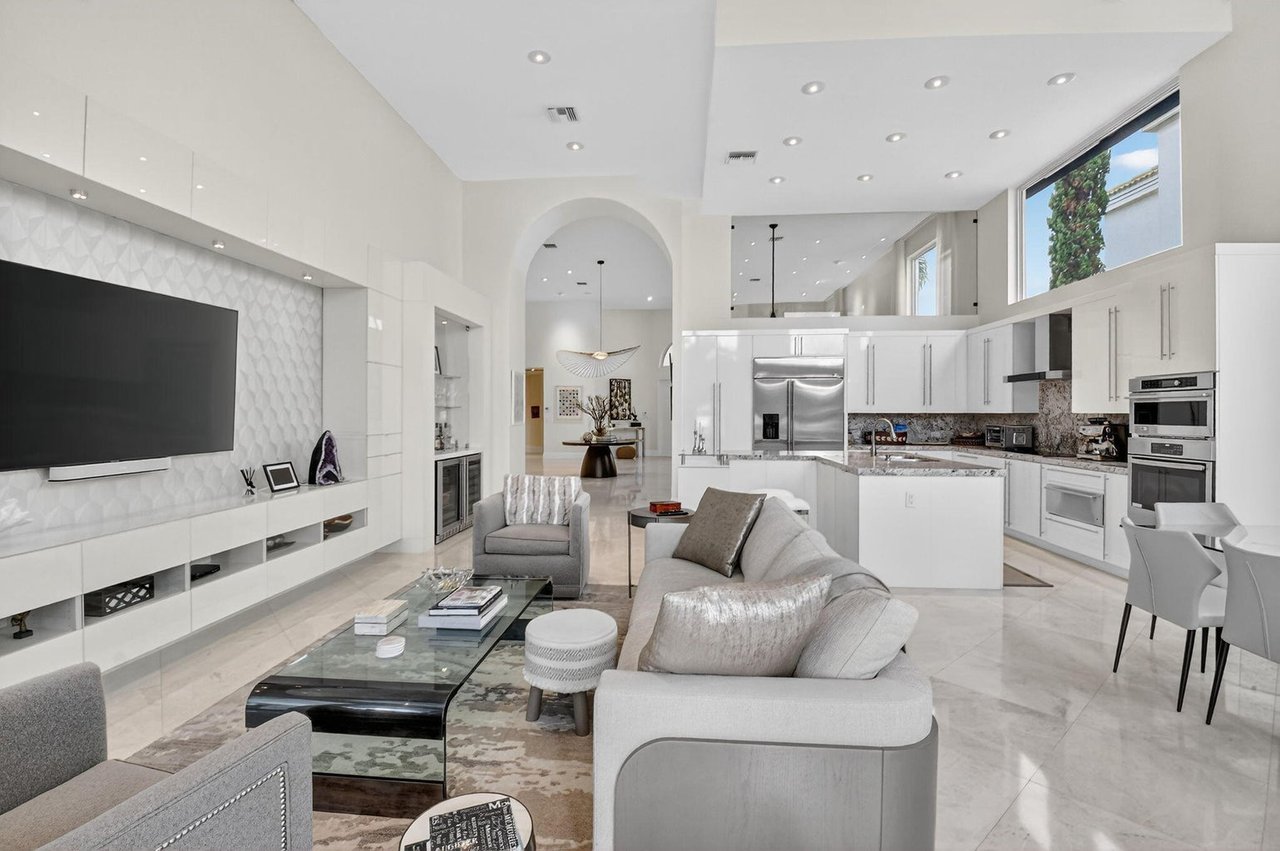
Oak Run homes are generally described as 3- to 4-bedroom residences of about 2,100 to 2,700 square feet with 2-car garages. Many homes also have pools. That makes the village a strong fit for buyers who want more space than some townhouse or condo sections, but not the scale of a larger estate property.
You should also expect layout variety. Recent examples include both one-story and two-story homes, with features like split-bedroom floor plans, dens, screened patios, private backyards, and pool areas. Because of that mix, it helps to compare how each home lives day to day instead of relying only on square footage.
Step 1: Research Oak Run Online
Before you schedule tours, spend time learning the difference between Oak Run and the other Broken Sound villages. The village directory and community real estate materials can help you understand typical home size, garage setup, and whether homes often include private outdoor features like pools.
This early research gives you useful context. It helps you spot whether a listing feels aligned with Oak Run’s usual profile and makes it easier to compare value from one home to another.
Step 2: Get Preapproved Early
If you plan to finance your purchase, get preapproved before you shop seriously. A preapproval helps define your budget and can make your offer stronger when the right property comes up.
Just as important, it can uncover documentation or credit issues before you are under contract. In a community where buyers may be moving quickly when a well-positioned home hits the market, having this step done early can save time and stress.
Step 3: Tour With a Layout-First Mindset
In Oak Run, floor plan matters. Since the village includes both one-story and two-story homes, you should pay close attention to how the space functions for your day-to-day life.
As you tour, focus on practical questions like these:
- Is the primary suite on the main level?
- How private are the guest bedrooms?
- Could a den work as an office or overflow bedroom?
- How easily do the living areas connect to the patio or pool?
- Is the 2-car garage set up in a way that works for your storage needs?
A beautifully updated home may still be the wrong fit if the layout does not match how you live. In Oak Run, flow and privacy can matter just as much as finishes.
Step 4: Compare Outdoor Living Carefully
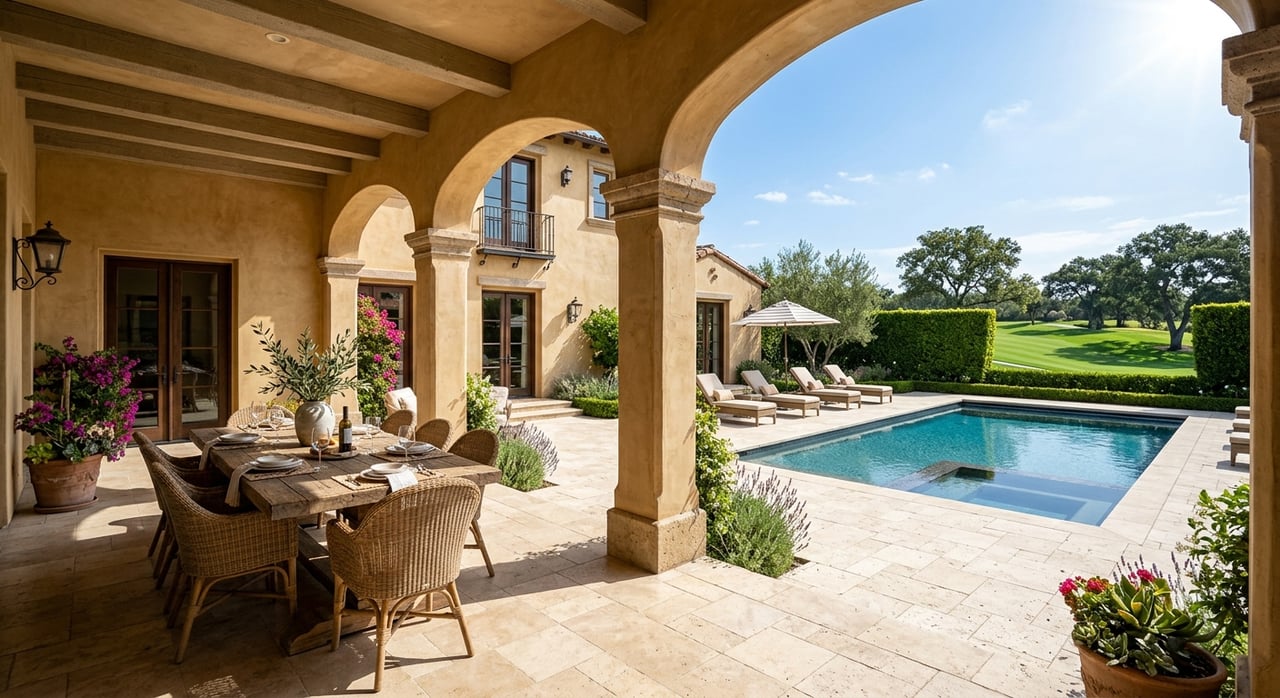
Many Oak Run homes offer private outdoor spaces, and that can be a major part of the decision. Screened patios, private backyards, and pools show up in the village profile and recent listing examples.
When you compare homes, look at how the outdoor area connects to the kitchen, family room, or primary suite. A pool is not just a checkbox. The orientation, privacy, and ease of use can make a big difference in how much you enjoy the home throughout the year.
Step 5: Review the Association Structure
One of the most important parts of buying in Oak Run is understanding the layered community structure. Broken Sound has the club, the master association, and the village association. These are separate parts of the ownership experience, and buyers should review each one early.
The Broken Sound Master Association information sheet says buyers must contact the master association and the relevant village association when purchasing in the community. It also states that a $4,000 compliance fee is due at closing. That means your document review should go beyond the home itself.
Step 6: Verify Fees and Rules Before You Commit
Do not assume costs or rules based on another Broken Sound village. Annual HOA assessments can vary by village, so Oak Run figures should be confirmed through the village-specific materials.
Before you finalize a purchase, verify these items:
- Current Oak Run village assessments and budget information
- Broken Sound club membership-related charges
- Any lease or occupancy restrictions that could affect future use
This is especially important if you are buying a second home, thinking ahead to future leasing, or simply want a clear picture of your total ownership costs.
Step 7: Understand Club Membership Timing
Broken Sound’s bylaws state that purchasers must apply for membership after they execute a contract to purchase a residence. The bylaws also state that membership is not issued before closing, although temporary privileges may be granted before closing once the application is properly made and required amounts are paid.
That timing is worth understanding upfront. It helps you set expectations for what happens after contract and how club-related steps may fit into your closing timeline.
Step 8: Make an Offer With Details in Mind
Once you find the right home, your offer should reflect more than price alone. In Oak Run, a strong buying strategy also means thinking about inspection timing, association paperwork, and club logistics.
This is where hyperlocal guidance can really matter. A buyer who understands the village-specific process is often in a better position to move smoothly from offer to contract without avoidable surprises.
Step 9: Schedule Inspections Quickly
Oak Run homes may include properties from the late 1980s and early 1990s, based on recent listing examples. That does not mean every home will need work, but it does mean renovation history and system condition deserve close attention.
Schedule inspections as early as possible after contract. As you compare findings, pay special attention to items like roof age, windows, major systems, and the condition of outdoor features such as screened areas and pools. Older homes can be wonderful opportunities, but only if you understand what has been updated and what may still need attention.
Step 10: Move Through Closing Methodically
After contract, you can expect a series of moving parts. Lender requirements, title work, insurance decisions, inspection follow-up, and association or club tasks may all happen at the same time.
A calm, organized approach is key. In a community like Broken Sound, closing is not just about getting to the finish line. It is also about making sure every village, club, and ownership detail is handled correctly along the way.
What to Compare Between Oak Run Homes
If you are deciding between two or three homes in Oak Run, narrow your comparison to the features that most affect daily use and long-term comfort.
Look closely at:
- One-story versus two-story living
- Bedroom separation and guest privacy
- Den or flex-space usefulness
- Patio and pool usability
- Renovation history and system updates
- Fit with your expected club use and future plans
This kind of side-by-side analysis usually tells you more than cosmetic appeal alone. In Oak Run, the best choice is often the home that aligns most closely with how you plan to live, entertain, and use the community.
Why Oak Run Requires a Local Lens
Oak Run is best understood as a mid-sized single-family village inside a larger country club environment. It offers meaningful variety in layout and outdoor space, but it also comes with village-specific details that buyers should not gloss over.
That is why a step-by-step approach matters here. When you combine careful home comparison with early document review and clear expectations around club logistics, you put yourself in a much stronger position to buy with confidence.
If you are considering a move in Broken Sound and want hands-on guidance through the village, home search, and contract process, connect with Susan Demerer for expert local support.
FAQs
What kinds of homes are in Oak Run at Broken Sound?
- Oak Run is a 106-home village with one- and two-story single-family homes, typically offering 3 to 4 bedrooms, about 2,100 to 2,700 square feet, 2-car garages, and in many cases private pools.
What should buyers compare when touring Oak Run homes?
- Buyers should focus on layout, bedroom privacy, den or office flexibility, garage utility, indoor-outdoor flow, pool and patio usability, and the condition of major systems.
What fees should buyers verify before buying in Oak Run?
- Buyers should confirm Oak Run village assessments, club membership-related charges, and the $4,000 Broken Sound Master Association compliance fee due at closing.
When do buyers apply for Broken Sound club membership?
- Broken Sound’s bylaws state that buyers apply for membership after they execute a contract to purchase a residence, and membership is not issued before closing.
Why are inspections especially important for Oak Run buyers?
- Recent listing examples suggest some Oak Run homes date to the late 1980s or early 1990s, so buyers should closely review renovation history, roof age, windows, and major systems.
How is buying in Oak Run different from buying in a typical neighborhood?
- In Oak Run, buyers need to evaluate the home, the village association, the master association, and the private club structure together rather than looking at the property in isolation.