By Susan Demerer
There is a particular moment that experienced buyers describe in similar ways. You walk through a front door, move from room to room, step out onto a lanai or into a backyard, and something settles. The anxious checklist running in the back of your mind goes quiet. That moment is real, and it is worth paying attention to, but it is also not the whole picture. Buying a home is one of the most important and influential decisions you will ever make, and the right one tends to require both that instinctive pull and a clear-eyed look at the facts.
The challenge is that most buyers arrive at the process without a reliable way to separate certainty from the noise. You might love three homes in a row and then feel paralyzed choosing between them, or you might feel underwhelmed by every option until one catches you off guard.
Knowing how to read your own response and how to back it up with the right questions can make the difference between a purchase you feel great about for years and one you second-guess from the moment you sign.
Key Takeaways
- The feeling of "rightness" is real and worth trusting, but it works best when paired with objective criteria.
- Lifestyle alignment matters just as much as square footage or price; the right home supports how you actually live.
- Practical factors like layout, light, and flow are harder to change than finishes and fixtures.
- A second or third visit often reveals details that the excitement of a first showing can obscure.
The Feeling Is a Signal, Not a Verdict
Every buyer has heard someone say they "just knew" when they found the right home. That kind of certainty is worth something, but it can be misleading if you treat it as the only input that matters. Strong feelings can arise from a home that has been beautifully staged or simply from relief after a long search. Genuine rightness has a steadier quality to it.
What distinguishes an authentic response from a surface reaction is how specific it is. When a home is right, what you notice tends to be particular: the way the morning light moves through the kitchen or the fact that your usual morning routine would actually work here. These are different from a general impression that the home is nice or impressive.
It is also worth noticing what you do not feel. Buyers who have found the right home often describe a reduction in anxiety rather than a spike in excitement. The mental negotiation about trade-offs quiets down. You stop looking for reasons to talk yourself into it.
What distinguishes an authentic response from a surface reaction is how specific it is. When a home is right, what you notice tends to be particular: the way the morning light moves through the kitchen or the fact that your usual morning routine would actually work here. These are different from a general impression that the home is nice or impressive.
It is also worth noticing what you do not feel. Buyers who have found the right home often describe a reduction in anxiety rather than a spike in excitement. The mental negotiation about trade-offs quiets down. You stop looking for reasons to talk yourself into it.
Signs That Your Emotional Response Is Meaningful
- You find yourself mentally arranging your own furniture rather than admiring the seller's.
- You feel reluctant to leave at the end of the showing.
- The home comes to mind without effort later that day or the next morning.
- Your concerns are specific and fixable rather than broad and nagging.
Lifestyle Fit Matters More Than You Think
A home can check every box on your wish list and still feel like a mismatch when you get inside it. That gap usually has to do with lifestyle. The question is not only whether the home has the right number of bedrooms or falls within your budget but whether it actually supports the way you move through your days.
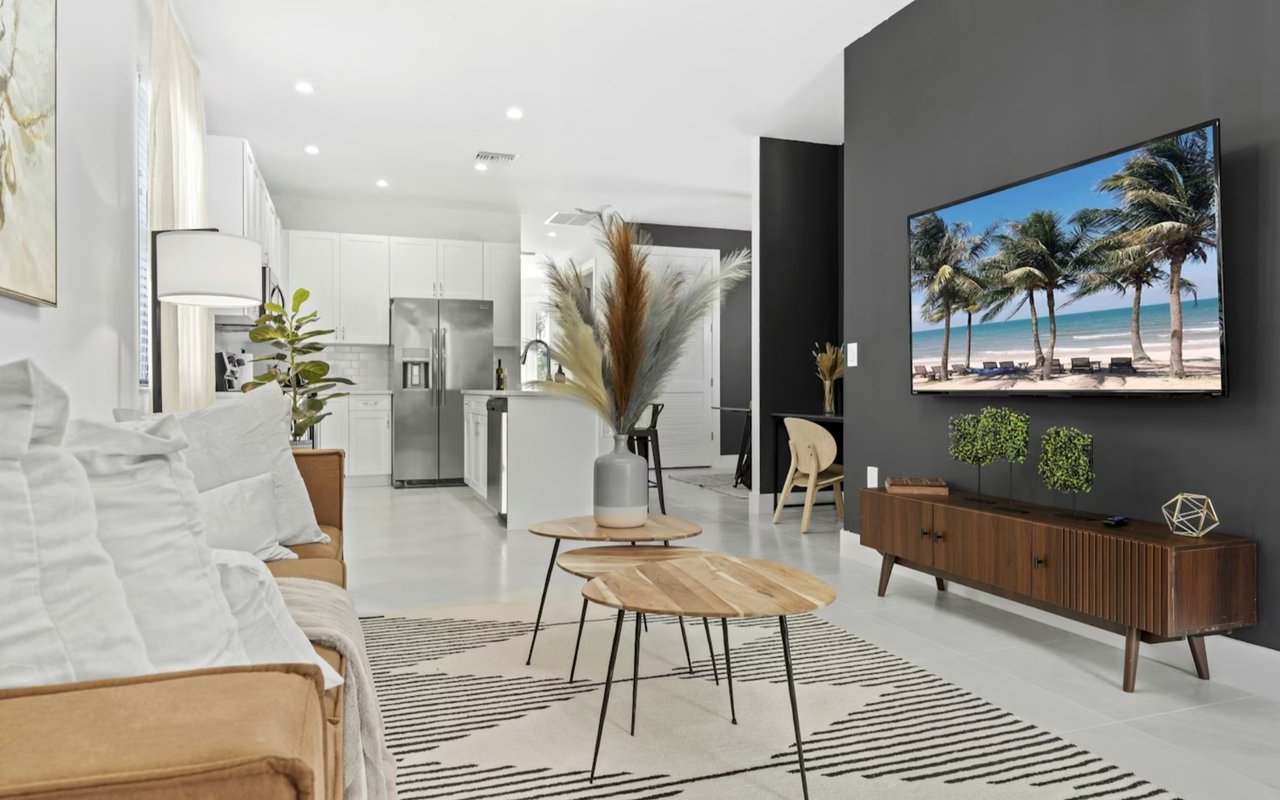
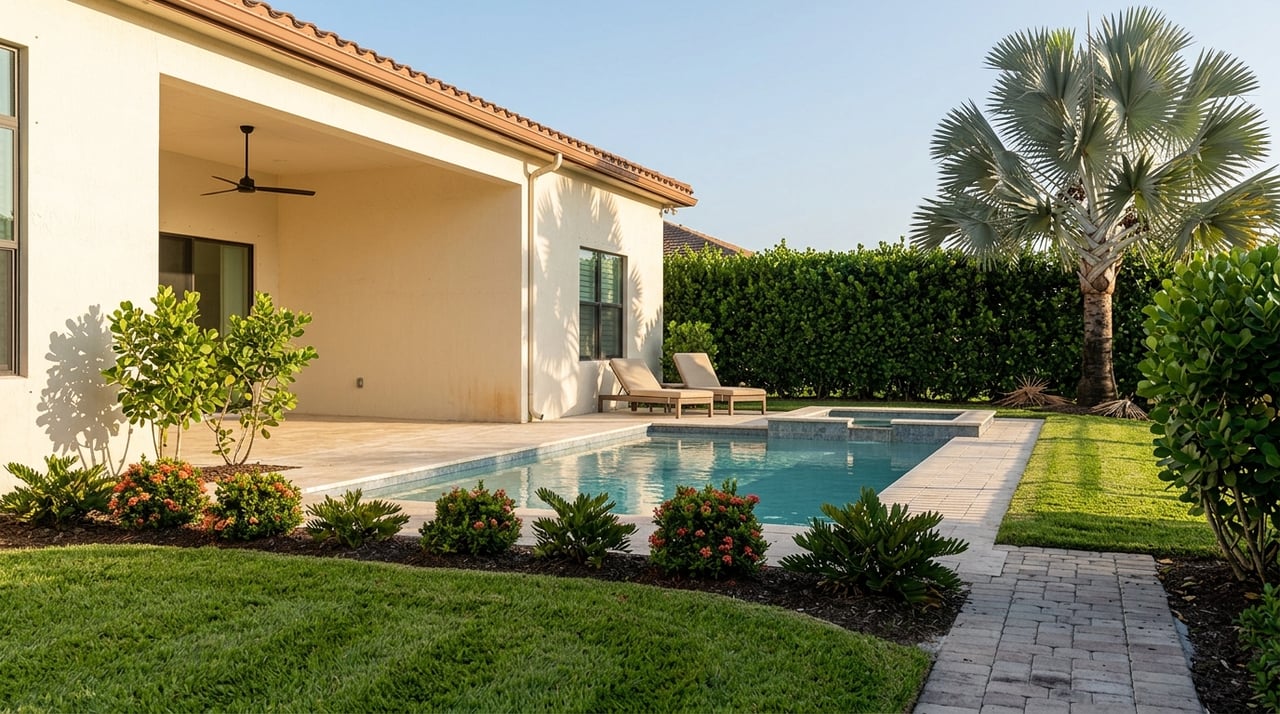
Think about the rhythms of your household. If you entertain regularly, does the kitchen open naturally toward the living and dining areas, or does it feel cut off from the rest of the home? If you work remotely, is there a space that provides separation from the rest of the house without feeling isolated? If you prioritize outdoor living, the distinction between a lanai that functions as an extension of the interior and one that feels like an afterthought matters considerably.
In a community like Broken Sound Club, lifestyle questions are woven directly into the real estate conversation. Proximity to the club facilities, the orientation of the lot, the size and serenity of outdoor areas, and the view from the primary living spaces all carry real weight. A home that fits your lifestyle does not require you to change how you live to accommodate it.
Think about the rhythms of your household. If you entertain regularly, does the kitchen open naturally toward the living and dining areas, or does it feel cut off from the rest of the home? If you work remotely, is there a space that provides separation from the rest of the house without feeling isolated? If you prioritize outdoor living, the distinction between a lanai that functions as an extension of the interior and one that feels like an afterthought matters considerably.
In a community like Broken Sound Club, lifestyle questions are woven directly into the real estate conversation. Proximity to the club facilities, the orientation of the lot, the size and serenity of outdoor areas, and the view from the primary living spaces all carry real weight. A home that fits your lifestyle does not require you to change how you live to accommodate it.
Lifestyle Factors Worth Evaluating Honestly
- How the home accommodates your daily schedule, from morning routines to evening wind-down.
- Whether the outdoor spaces match how you actually use them.
- The relationship between the primary living areas and how your household actually gathers.
- Storage and functional space relative to your needs.
What You Cannot Change Should Come First
Buyers often fixate on cosmetic elements during a showing: paint colors, countertops, light fixtures, and landscaping. These are all changeable. What is much harder and more expensive to alter is the structural logic of a home, including its layout, ceiling heights, natural light, and the way it sits on the lot.
Before you fall in love with finishes, pay close attention to orientation. A home that faces east and captures morning light in the main living areas may suit you far better than one with a more dramatic exterior but poor natural light inside. The ceiling height in the primary rooms affects how a space feels in a way that paint simply cannot replicate. Flow between rooms, the location of the primary suite relative to secondary bedrooms, and the sight lines from the kitchen to the front entrance are details that shape daily experience far more than any renovation project will.
Before you fall in love with finishes, pay close attention to orientation. A home that faces east and captures morning light in the main living areas may suit you far better than one with a more dramatic exterior but poor natural light inside. The ceiling height in the primary rooms affects how a space feels in a way that paint simply cannot replicate. Flow between rooms, the location of the primary suite relative to secondary bedrooms, and the sight lines from the kitchen to the front entrance are details that shape daily experience far more than any renovation project will.
Structural and Fixed Elements to Evaluate Carefully
- The orientation of the home and which rooms receive the most natural light.
- Ceiling heights throughout, particularly in the main living areas.
- The placement of the primary suite.
- Views from the most-used rooms in the home.
- The lot's size, shape, and relationship to neighboring properties.
FAQs
How Do I Know if I'm Confusing Excitement With the Right Fit?
Excitement tends to be immediate and surface-level; it is triggered by what a home looks like. A genuine sense of fit tends to deepen the longer you are in a home and persists after you leave. If you find yourself thinking about a specific home in practical terms and imagining your life unfolding in it rather than just admiring it, that is a stronger indicator than excitement alone.
What If I Like Multiple Homes Equally?
When two homes feel equally right, the decision often comes down to lifestyle fit and fixed elements rather than finishes or price. Ask yourself which home requires fewer compromises in the areas you cannot change: the lot, the light, the layout. If those are roughly equal, consider which community, price point, and location best align with the way you want to live day to day.
How Long Should My Home Search Take?
There is no correct timeline. Some buyers find the right home in weeks, whereas others may search for months. What matters more than speed is having a clear sense of your priorities so that when the right home appears, you can recognize it and move with confidence. In competitive markets like Boca Raton, being prepared to act decisively is as important as being prepared to be patient.
Trust the Process, Then Trust Yourself
Finding the right home is rarely a single dramatic revelation. More often, it is a steady accumulation of evidence: a feeling that holds up on a second visit, practical details that fall into place, and a location that supports the life you are building. When those factors align, you tend to know it.
In a market like Boca Raton, where inventory in sought-after communities moves quickly, having a clear sense of your own criteria and the confidence to act on them is valuable. Ready to take the next step toward your dream home in Boca Raton’s Broken Sound Club? Let’s connect. When you partner with me, Susan Demerer, you’ll have personalized guidance and expertise at every point. Call me today at 561-213-6347.
In a market like Boca Raton, where inventory in sought-after communities moves quickly, having a clear sense of your own criteria and the confidence to act on them is valuable. Ready to take the next step toward your dream home in Boca Raton’s Broken Sound Club? Let’s connect. When you partner with me, Susan Demerer, you’ll have personalized guidance and expertise at every point. Call me today at 561-213-6347.